
Skip to content

Menu

  • Home
  • Herbs
    • A
      • Aconite (Bachnak)
      • Agarwood (Oud)
      • Alangium (Ankol)
      • Almond (Badam)
      • Aloe (Musabbar)
      • Alum (Phitkari)
      • Ammonium Chloride (Noshadar)
      • Aniseed (Anisoon)
      • Arjuna Tree (Arjun)
      • Ash Gourd (Petha)
      • Ashoka Tree (Asoka)
      • Ashwagandha (Asgand Nagori)
    • B
      • Bacopa (Jal Neem)
      • Bamboo (Baans)
      • Barley (Jau)
      • Behen Root (Behman Surkh o Safaid)
      • Belleric Myrobalan (Bahera)
      • Blepharis (Utangan)
      • Bristly Luffa (Bindal)
      • Bullet Wood (Maulsari)
    • C
      • Camel Thistle (Oont Katara)
      • Camel Thorn (Jawansa)
      • Cannabis (Bhang)
      • Carom Seeds (Ajwain)
      • Castor Plant (Arand)
      • Catmint (Billi Lotan)
      • Celery Seeds (Ajmod)
      • Chamomile (Babuna)
      • Citron (Bijora)
      • Clerodendrum (Arni)
      • Colocynth (Tumma / Indrayan)
      • Cotton Seed (Banola)
      • Country Mallow (Beej Band)
      • Croton Seeds (Jamal Gota)
    • D
      • Dodder (Aftimoon / Akas Bail)
    • E
      • Ebony (Aabnoos)
      • Eggplant (Baingan)
    • F
      • False Daisy (Bhangra)
      • Fig (Anjeer)
      • Flame of the Forest (Palas / Dhak)
      • Flaxseed (Alsi)
      • Fumitory (Papra / Shahtara)
    • G
      • Galbanum (Jawa Sheer)
      • Ginger (Adrak)
      • Ginger Benefits (Adrak)
      • Goosefoot (Bathua)
      • Gotu Kola (Brahmi)
      • Gum Ammoniacum (Ushaq)
    • H
      • Hemp (Bhang)
      • Henbane (Ajwain Khurasani)
      • Hibiscus (Gul-e-Gurhal)
      • Himalayan Birch (Bhojpatr)
      • Holy Basil (Tulsi)
      • Hygrophila Seeds (Talmakhana)
    • I
      • Indian Atis (Atees Talkh)
      • Indian Bay Leaf (Tez Pat)
      • Indian Birthwort (Ishar Mool)
      • Indian Gooseberry (Amla)
      • Indian Jujube (Ber)
      • Indian Kudzu (Badari Kand)
      • Indian Kudzu (Badari Kund)
      • Indian Persimmon (Tendu)
      • Indian Sarsaparilla (Anant Mool)
      • Indian Trumpet Tree (Arlu / Shivnak)
    • J
      • Jalap Root (Jalapa)
      • Java Plum (Jamun)
    • L
      • Larkspur (Jadwar)
      • Lavender (Ustukhudus)
      • Long Pepper (Pipli)
    • M
      • Mace (Javitri)
      • Maidenhair Fern (Parsiyaoshan)
      • Malabar Nut (Bansa / Vasaka)
      • Mango Ginger (Aamba Haldi)
      • Marking Nut (Bhilawa)
      • Mica (Abrak)
      • Mint (Pudina)
      • Miswak Tree (Peelu)
      • Mustard (Sarson)
    • N
      • Nalta Jute (Bahu Phali)
      • Nepeta
      • Nutmeg (Jaifal)
    • O
      • Okra (Bhindi)
      • Onion (Pyaaz)
      • Opium (Afeem)
      • Orris Root (Irsa)
    • P
      • Papaya (Papita)
      • Pearl Millet (Bajra)
      • Peppermint (Pudina)
      • Persian Lilac (Bakain)
      • Persian Manna (Taranjabin)
      • Pigeon Pea (Arhar)
      • Pistachio (Pista)
      • Pointed Gourd (Patol)
      • Polypodium
      • Polypody (Besfaij)
      • Poppy Husk (Poost Koknaar)
      • Portia Tree (Paras Peepal)
      • Prickly Chaff Flower (Puthkanda)
      • Prunes (Alu Bukhara)
      • Psoralea Seeds (Babchi)
      • Psyllium Husk (Ispaghol)
      • Punarnava (Bishkhapra)
      • Purging Cassia (Amaltas)
      • Putranjiva (Jiya Pota)
    • Q
      • Quince (Bahi)
      • Quince Seeds (Behidana)
    • R
      • Ribwort Plantain (Bartang Sabz)
      • Ridge Gourd (Tori)
      • Rocket Seeds (Taramira)
      • Rockfoil (Pathri Tor)
      • Round Gourd (Tinda)
    • S
      • Sacred Fig (Peepal)
      • Saffron (Kesar)
      • Salep Orchid (Salep Misri)
      • Sappan Wood (Patang / Baqam)
      • Sesame Seeds (Til)
      • Sickle Senna (Panwar)
      • Silver Fir Leaf (Talispatar)
      • Snap Melon (Phoot)
      • Sorghum (Jowar)
      • Spinach (Palak)
      • Sweet Violet (Banafsha)
      • Syrian Rue (Harmal / Espand)
    • T
      • Tamarind (Imli)
      • Tamarisk (Jhao)
      • Taro (Arvi)
      • Tellicherry Bark (Indarjo Talkh)
      • Three-leaved Caper (Barna)
      • Tobacco (Tambaku)
      • Tomato (Tamatar)
      • Trumpet Flower Tree (Padhal)
    • U
      • Uraria Picta (Prishniparni)
    • V
      • Valerian
      • Valerian (Balchhar)
    • W
      • Wallflower (Todri)
      • Walnut (Akhrot)
      • Water Coriander (Jal Dhaniya)
      • Water Lettuce (Jal Khumbi)
      • White Goosefoot (Bathua)
      • Wild Himalayan Cherry (Padmakh)
      • Willow Flower (Bed Mushk)
    • Y
      • Yarrow (Burnajasuf)
  • Introduction
  • History
  • Ajmal Khan Portfolio
  • Resources
  • Contact

Archives

  • November 2026
  • May 2025
  • July 2023

Calendar

November 2026
M T W T F S S
 1
2345678
9101112131415
16171819202122
23242526272829
30  
« May    

Categories

  • A
  • B
  • C
  • D
  • E
  • F
  • G
  • H
  • Herbs
  • I
  • J
  • L
  • M
  • N
  • O
  • P
  • Q
  • R
  • S
  • T
  • U
  • V
  • W
  • Y

Copyright Unani Medicine 2026 | Theme by ThemeinProgress | Proudly powered by WordPress

Lastest Blog
  • Blepharis (Utangan)
  • Lavender (Ustukhudus)
  • Gum Ammoniacum (Ushaq)
  • Colocynth (Tumma / Indrayan)
  • Holy Basil (Tulsi)
Unani Medicine
  • Home
  • Herbs
    • A
      • Aconite (Bachnak)
      • Agarwood (Oud)
      • Alangium (Ankol)
      • Almond (Badam)
      • Aloe (Musabbar)
      • Alum (Phitkari)
      • Ammonium Chloride (Noshadar)
      • Aniseed (Anisoon)
      • Arjuna Tree (Arjun)
      • Ash Gourd (Petha)
      • Ashoka Tree (Asoka)
      • Ashwagandha (Asgand Nagori)
    • B
      • Bacopa (Jal Neem)
      • Bamboo (Baans)
      • Barley (Jau)
      • Behen Root (Behman Surkh o Safaid)
      • Belleric Myrobalan (Bahera)
      • Blepharis (Utangan)
      • Bristly Luffa (Bindal)
      • Bullet Wood (Maulsari)
    • C
      • Camel Thistle (Oont Katara)
      • Camel Thorn (Jawansa)
      • Cannabis (Bhang)
      • Carom Seeds (Ajwain)
      • Castor Plant (Arand)
      • Catmint (Billi Lotan)
      • Celery Seeds (Ajmod)
      • Chamomile (Babuna)
      • Citron (Bijora)
      • Clerodendrum (Arni)
      • Colocynth (Tumma / Indrayan)
      • Cotton Seed (Banola)
      • Country Mallow (Beej Band)
      • Croton Seeds (Jamal Gota)
    • D
      • Dodder (Aftimoon / Akas Bail)
    • E
      • Ebony (Aabnoos)
      • Eggplant (Baingan)
    • F
      • False Daisy (Bhangra)
      • Fig (Anjeer)
      • Flame of the Forest (Palas / Dhak)
      • Flaxseed (Alsi)
      • Fumitory (Papra / Shahtara)
    • G
      • Galbanum (Jawa Sheer)
      • Ginger (Adrak)
      • Ginger Benefits (Adrak)
      • Goosefoot (Bathua)
      • Gotu Kola (Brahmi)
      • Gum Ammoniacum (Ushaq)
    • H
      • Hemp (Bhang)
      • Henbane (Ajwain Khurasani)
      • Hibiscus (Gul-e-Gurhal)
      • Himalayan Birch (Bhojpatr)
      • Holy Basil (Tulsi)
      • Hygrophila Seeds (Talmakhana)
    • I
      • Indian Atis (Atees Talkh)
      • Indian Bay Leaf (Tez Pat)
      • Indian Birthwort (Ishar Mool)
      • Indian Gooseberry (Amla)
      • Indian Jujube (Ber)
      • Indian Kudzu (Badari Kand)
      • Indian Kudzu (Badari Kund)
      • Indian Persimmon (Tendu)
      • Indian Sarsaparilla (Anant Mool)
      • Indian Trumpet Tree (Arlu / Shivnak)
    • J
      • Jalap Root (Jalapa)
      • Java Plum (Jamun)
    • L
      • Larkspur (Jadwar)
      • Lavender (Ustukhudus)
      • Long Pepper (Pipli)
    • M
      • Mace (Javitri)
      • Maidenhair Fern (Parsiyaoshan)
      • Malabar Nut (Bansa / Vasaka)
      • Mango Ginger (Aamba Haldi)
      • Marking Nut (Bhilawa)
      • Mica (Abrak)
      • Mint (Pudina)
      • Miswak Tree (Peelu)
      • Mustard (Sarson)
    • N
      • Nalta Jute (Bahu Phali)
      • Nepeta
      • Nutmeg (Jaifal)
    • O
      • Okra (Bhindi)
      • Onion (Pyaaz)
      • Opium (Afeem)
      • Orris Root (Irsa)
    • P
      • Papaya (Papita)
      • Pearl Millet (Bajra)
      • Peppermint (Pudina)
      • Persian Lilac (Bakain)
      • Persian Manna (Taranjabin)
      • Pigeon Pea (Arhar)
      • Pistachio (Pista)
      • Pointed Gourd (Patol)
      • Polypodium
      • Polypody (Besfaij)
      • Poppy Husk (Poost Koknaar)
      • Portia Tree (Paras Peepal)
      • Prickly Chaff Flower (Puthkanda)
      • Prunes (Alu Bukhara)
      • Psoralea Seeds (Babchi)
      • Psyllium Husk (Ispaghol)
      • Punarnava (Bishkhapra)
      • Purging Cassia (Amaltas)
      • Putranjiva (Jiya Pota)
    • Q
      • Quince (Bahi)
      • Quince Seeds (Behidana)
    • R
      • Ribwort Plantain (Bartang Sabz)
      • Ridge Gourd (Tori)
      • Rocket Seeds (Taramira)
      • Rockfoil (Pathri Tor)
      • Round Gourd (Tinda)
    • S
      • Sacred Fig (Peepal)
      • Saffron (Kesar)
      • Salep Orchid (Salep Misri)
      • Sappan Wood (Patang / Baqam)
      • Sesame Seeds (Til)
      • Sickle Senna (Panwar)
      • Silver Fir Leaf (Talispatar)
      • Snap Melon (Phoot)
      • Sorghum (Jowar)
      • Spinach (Palak)
      • Sweet Violet (Banafsha)
      • Syrian Rue (Harmal / Espand)
    • T
      • Tamarind (Imli)
      • Tamarisk (Jhao)
      • Taro (Arvi)
      • Tellicherry Bark (Indarjo Talkh)
      • Three-leaved Caper (Barna)
      • Tobacco (Tambaku)
      • Tomato (Tamatar)
      • Trumpet Flower Tree (Padhal)
    • U
      • Uraria Picta (Prishniparni)
    • V
      • Valerian
      • Valerian (Balchhar)
    • W
      • Wallflower (Todri)
      • Walnut (Akhrot)
      • Water Coriander (Jal Dhaniya)
      • Water Lettuce (Jal Khumbi)
      • White Goosefoot (Bathua)
      • Wild Himalayan Cherry (Padmakh)
      • Willow Flower (Bed Mushk)
    • Y
      • Yarrow (Burnajasuf)
  • Introduction
  • History
  • Ajmal Khan Portfolio
  • Resources
  • Contact
Pudina (Mint) – Unani herb
Written by adminNovember 25, 2026

Mint (Pudina)

Herbs . M Article

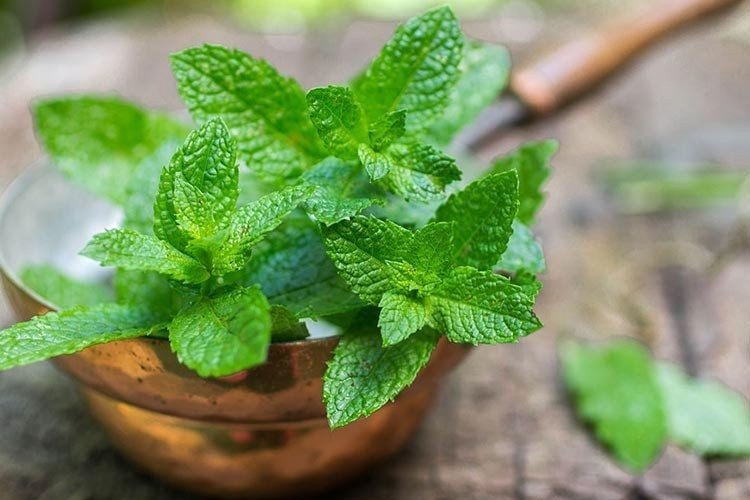
Pudina (Mentha) (mint) is an ancient culinary herb and medicine, valued as a digestive tonic, breath freshener and aid for the stomach, skin and nerves.

Botanical name: Mentha

Mint (pudina) is known both as a vegetable and as a herb. It is counted among the oldest herbs, and there are many varieties. Before it was cultivated it grew wild; now that its benefits are known, it is grown regularly. Mint is a small green plant that thrives in shady places. It is an evergreen herb, which is why the ancient Greeks regarded it as a symbol of hospitality. Mint is found all over the world and eaten all over the world, and it is used in almost every home: in various dishes, salads, chutneys and raita, where it adds to the appeal of the food. Its temperament is hot and dry. Its essential constituents include iron and vitamins. Fresh mint leaves are more beneficial and fragrant than dried mint.

Its homeland is said to be Asia and the Mediterranean, and for thousands of years this herb has been of great use in history and has been part of medicines. In English mint is called “mint”, a name derived from the ancient Greek word Minthe or Menthe. It also has a very interesting, legendary history that few people know, taken from ancient Greek myths. In Greek mythology Minthe (Menthe) was a nymph who fell in love with Pluto (Hades), the Greco-Roman god. When Persephone, Pluto’s wife, found out that Pluto liked the beautiful nymph, she became jealous and turned Minthe into a plant so that people would walk on her and crush her. Pluto could not break Persephone’s spell and failed to turn Minthe back into a nymph, but he gave Minthe a wonderful fragrance, so that when her leaves and stems are crushed they sweeten the air.

Mint is an easily digestible food. It provides the human body with protein, carbohydrates, fat and fibre, and also contains potassium, magnesium, calcium, phosphorus, vitamin C, iron and a small amount of vitamin E. It has many wonderful effects and benefits.

Digestive Benefits

For years mint has been used as a healthy, digestive food. It is a soothing herb and a strong stomach tonic. It is tasty and strengthening. It not only creates appetite but also helps food digest quickly and well. The natural aroma of mint increases the desire to eat. Because it is easily digested, mint is an elixir for digesting oily and heavy foods; they are digested easily and the stomach processes them in a short time. In stomach complaints and indigestion, the use of mint is very important. It relieves stomach inflammation and indigestion and also helps get rid of intestinal worms. Mint gives relief from gas, bloating, cholera and stomach pain and keeps stomach ailments from worsening. It is very useful in heartburn and stomach gas, and the carbohydrates in it strengthen the food pipe, so it strengthens the stomach and intestines. It is also used as a medicine for indigestion, gas, frequent belching and bad breath. In short, it is an elixir for all stomach diseases. Besides stomach ailments, mint is useful in many other conditions.

Other Benefits

According to modern research, the aroma of mint is beneficial for the nervous system, activating it and calming it. One study found that mint improves brain function and memory. Regular use of mint also helps reduce weight and combats obesity; taking mint leaves in lukewarm water helps with weight loss. Mint has the power to kill harmful bacteria, so it removes bad breath and mouth odour; it is a good mouthwash, which is why it is used in ice cream, salads, hot and cold drinks, candies and sweets. Mint gives a feeling of coolness and freshness to the mouth and breath, destroys harmful germs in the mouth, cleans the mouth, removes bad breath and also strengthens the teeth.

Mint leaves give immediate relief in headache and vomiting or nausea. It is useful in asthma and helps with phlegm. According to modern research, mint helps correct cholesterol levels in the body because it activates the blood vessels and improves circulation. Drinking a decoction of mint helps control blood pressure, and a chutney of mint and garlic is also very beneficial for people with high blood pressure. It clears pimples and acne, cleans the skin and brightens the complexion; it is also useful for heat rash and allergy. Mint is very useful in all skin diseases and helps reduce dandruff and inflammation. In short, mint has countless benefits.

More Unani herbs

  • Miswak Tree (Peelu)
  • Mustard (Sarson)
  • Mace (Javitri)
  • Maidenhair Fern (Parsiyaoshan)
  • Malabar Nut (Bansa / Vasaka)

Browse all herbs starting with M or the complete A–Z list of Unani herbs.

This information comes from classical Unani texts and is for education only. Please consult a qualified hakim or doctor before using any herb, especially during pregnancy or alongside other medicines.

You may also like

Blepharis (Utangan)

Lavender (Ustukhudus)

Gum Ammoniacum (Ushaq)

Leave a Reply Cancel reply

Your email address will not be published. Required fields are marked *

Archives

  • November 2026
  • May 2025
  • July 2023

Calendar

November 2026
M T W T F S S
 1
2345678
9101112131415
16171819202122
23242526272829
30  
« May    

Categories

  • A
  • B
  • C
  • D
  • E
  • F
  • G
  • H
  • Herbs
  • I
  • J
  • L
  • M
  • N
  • O
  • P
  • Q
  • R
  • S
  • T
  • U
  • V
  • W
  • Y

Copyright Unani Medicine 2026 | Theme by ThemeinProgress | Proudly powered by WordPress